

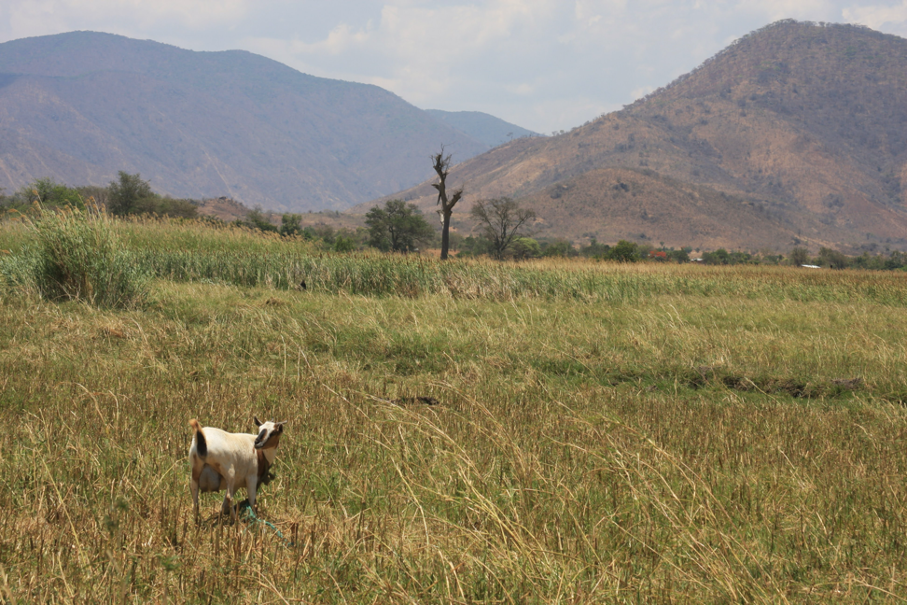
In the heart of Africa, in the densely populated and small-scale farming country of Malawi, Veterinarians Without Borders (VWB) works together with local partner organisation Center for Community Empowerment Initiatives (CCEI). Thanks to this collaboration, projects can be developed that address the challenges faced by local communities, such as sustainable agriculture through goats.
Malawi is almost three times the size of the Netherlands. The country has a population of 20 million people, and it is expected to double in the next 20 years. More than half of the population lives below the poverty line, and 80% depends on small-scale agriculture.
Goats as a sustainable alternative
Due to inflation, a bag of fertiliser costs 80,000 MWK (€70). For smallholder farmers, this is simply unaffordable. Fertiliser or compost is essential for growing crops, as it improves production and increases organic matter in the soil. This enhances soil quality and helps retain rainwater more effectively.
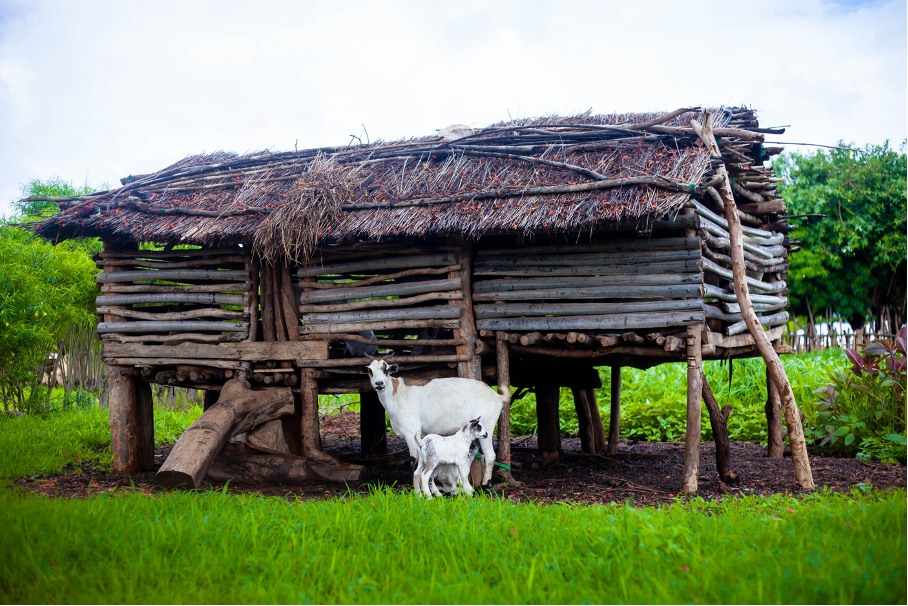
In comparison, a goat costs on average 50,000 MWK. Providing goats and training on how to care for them supports families in Malawi. The animals provide milk for consumption and manure to fertilise agricultural land. In addition, goats can help generate income, allowing families to sustain themselves and grow their own food. Furthermore, through community-based breeding, selected farmers receive a breeding buck with strong genetic potential to improve the quality of local goat populations.
Goats help make families more resilient. Families without livestock often rely on cutting down trees to produce charcoal. Charcoal is widely used for cooking, drying tobacco, clearing land for agriculture, and brick-making. Research shows that Malawi faces significant challenges related to deforestation and soil erosion, mainly caused by tree cutting for charcoal production.
How do goats contribute to deforestation and erosion?
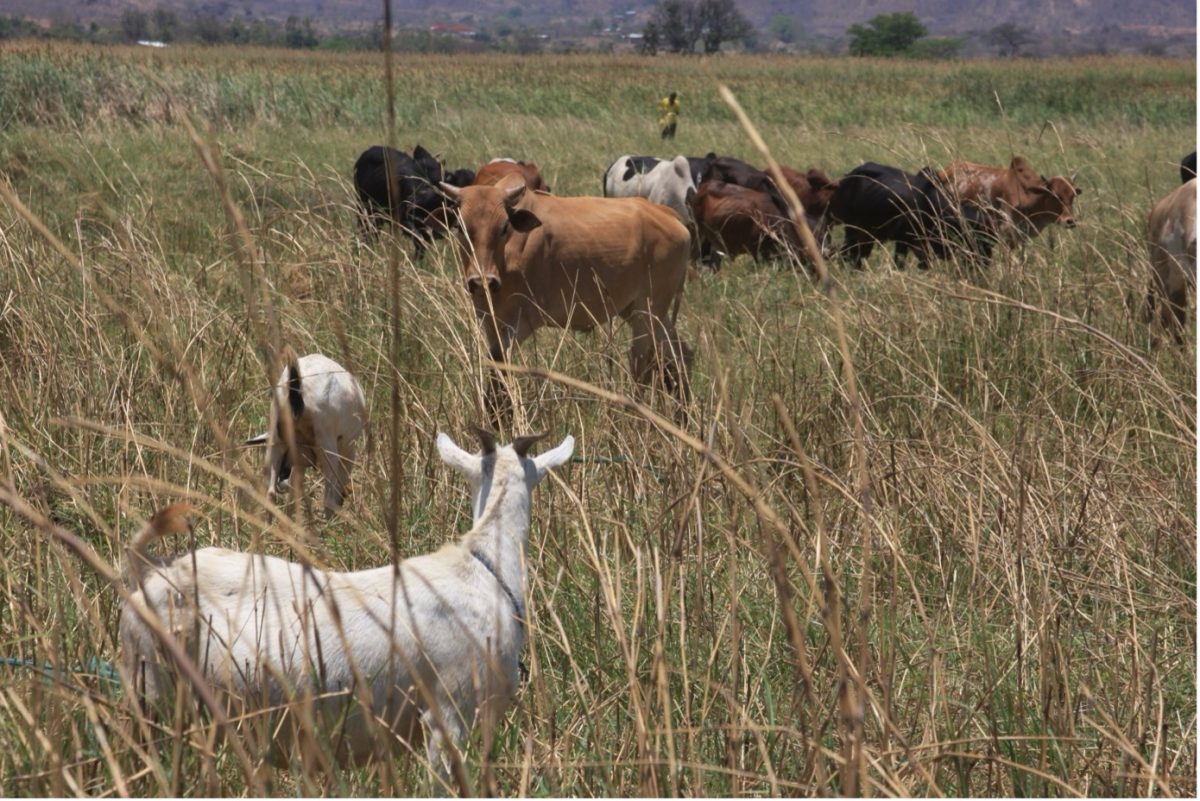
Although research does not identify overgrazing as a primary cause of deforestation and erosion, goats can eat young trees. For this reason, VWB provides families with training in goat care using a One Health approach. These trainings focus on:
- Allowing animals to graze for a limited number of hours per day and primarily feeding them crop residues.
- Planting leguminous trees, which fix nitrogen in the soil and also serve as nutritious feed for goats Providing goats to smallholder farmers with prior experience, who can demonstrate successful management and serve as role models within their communities. In this way, goats contribute to climate-smart and sustainable agriculture in the region.
Geiten worden gegeven aan kleine veehouders die ervaring hebben met het houden van geiten. Zij laten zien dat ze hier succesvol in zijn. Deze ervaren geitenhoeders zijn een voorbeeld voor andere veehouders in de gemeenschap. Hierdoor dragen geiten bij aan klimaat slimme en duurzame landbouw in het gebied.
Give a future: Donate a Goat.
Click here for more information about “Donate a Goat”