Written for Ilja Nijstad, Rebecca Roos & Saskia ter Beek
Six veterinary students left their familiar surroundings in Utrecht to travel to the other side of the world: Malawi, the warm heart of Africa — a country known for its rich wildlife, safaris, white beaches, and impressive mountains. Why did we — Rebecca, Lara, Elisa, Daniëlle, Saskia, and Ilja — embark on this journey? What started as a mission to help manage the dog population turned into a journey across this beautiful country, including visits to projects run by Veterinarians Without Borders Netherlands (VWB-NL).
Preparation and arrival Preparing for the projects required careful planning, including fundraising. Thanks to a walking marathon in Venlo and the support of friends and family, we were able to raise funds. Combined with the support of VWB-NL, we managed to realise many of our plans.
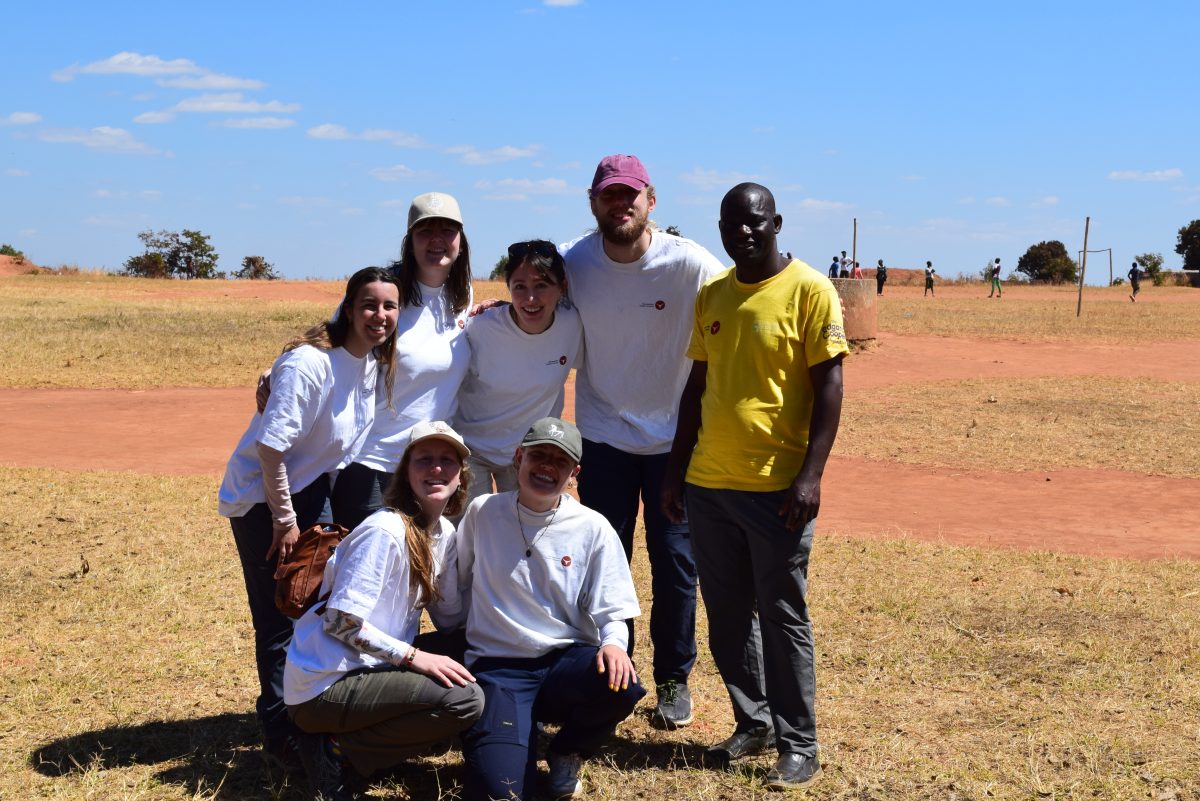
At the end of July, the journey began. Most of us flew from Brussels, while Ilja travelled from Bangkok. After reuniting in Ethiopia, we continued to Malawi. Upon arrival, we were welcomed by our local project manager, Gilbert Banda, and our driver Kenwood, with whom we would spend a lot of time in the coming weeks. A long eight-hour drive followed from Lilongwe to Mzuzu, over a mix of paved and unpaved roads. We quickly learned that “almost there” in Malawi can still mean another three hours. After arriving at our accommodation, we took a well-deserved rest before starting our project visits the next day.
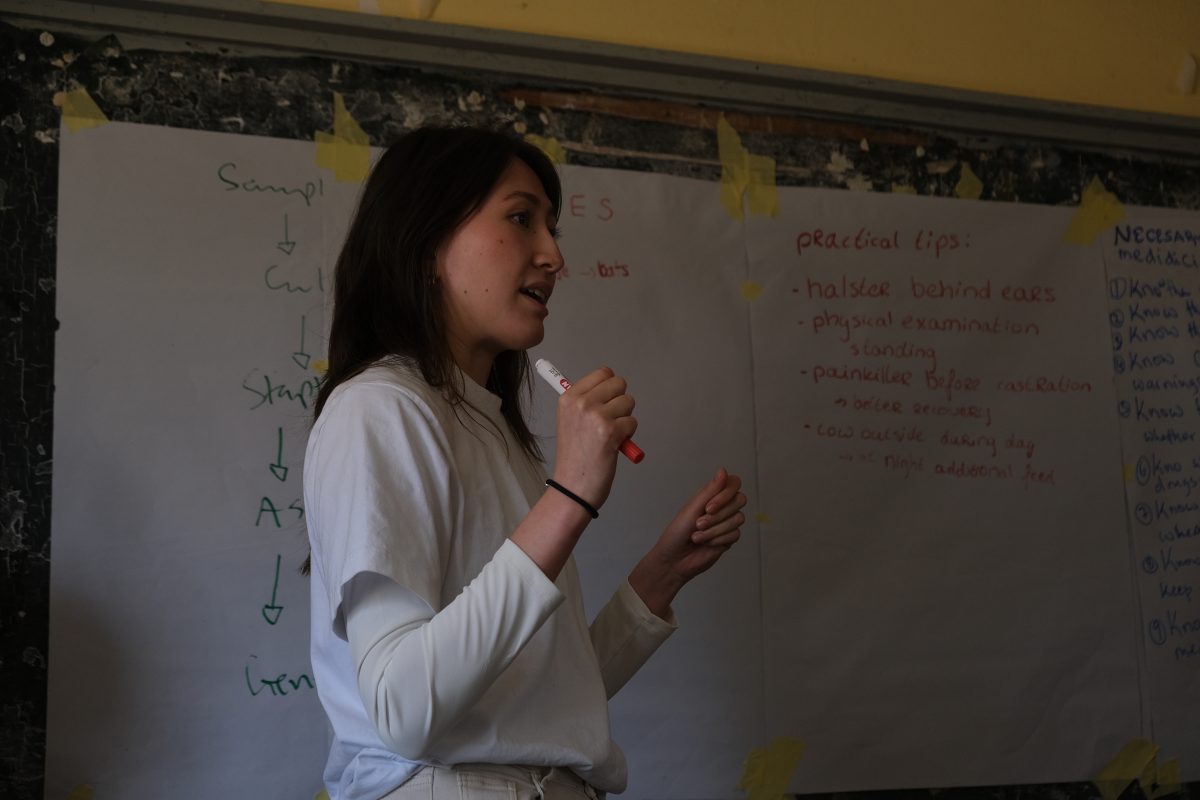
Training Community Animal Health Workers (CAHWS)
Our first stop was a refresher course for community animal health workers (CAHWs). We were warmly welcomed, and it was inspiring to see how engaged all participants were. Many of the CAHWs were women — one even attended with her baby. The training was conducted in Chichewa, the local language, which made it challenging to follow everything. Over 2.5 days, we observed both theoretical lessons and practical training. On the final day, we gave a short presentation (with the help of a translator) on rabies and animal welfare, sharing practical tips to improve both animal and human wellbeing. On the picture you see Saskia in the classroom!; één van hen had haar baby bij zich. The training was conducted in Chichewa, the local language, which made it challenging to follow everything. Over 2.5 days, we observed both theoretical lessons and practical training. On the final day, we gave a short presentation (with the help of a translator) on rabies and animal welfare, sharing practical tips to improve both animal and human wellbeing.
Rabies vaccinations
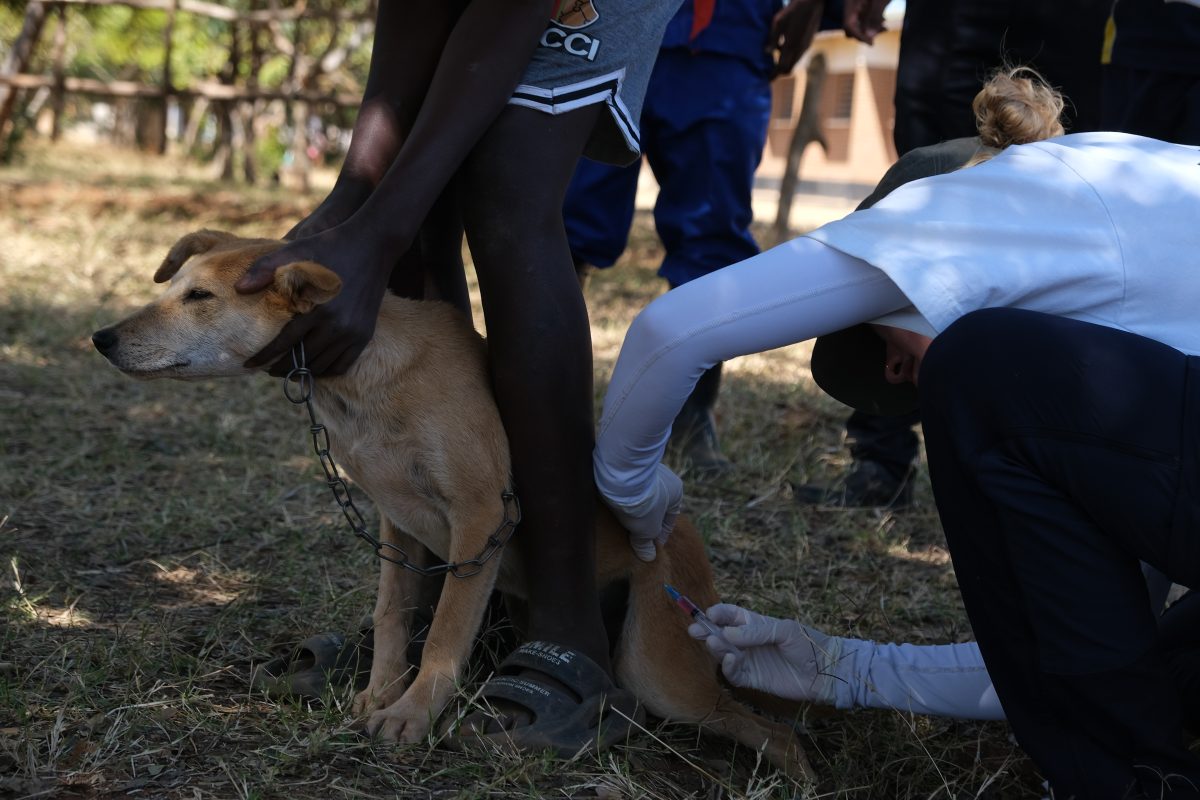
In Malawi, Rabies is a major issue, causing many victims each year, especially children. We were eager to contribute to the fight against this disease. Due to logistical challenges, we arrived later than planned and unfortunately encountered fewer dogs than expected. Nevertheless, we were able to vaccinate several dogs and contribute in a meaningful way. See Lara in action!
Yoghurt Training
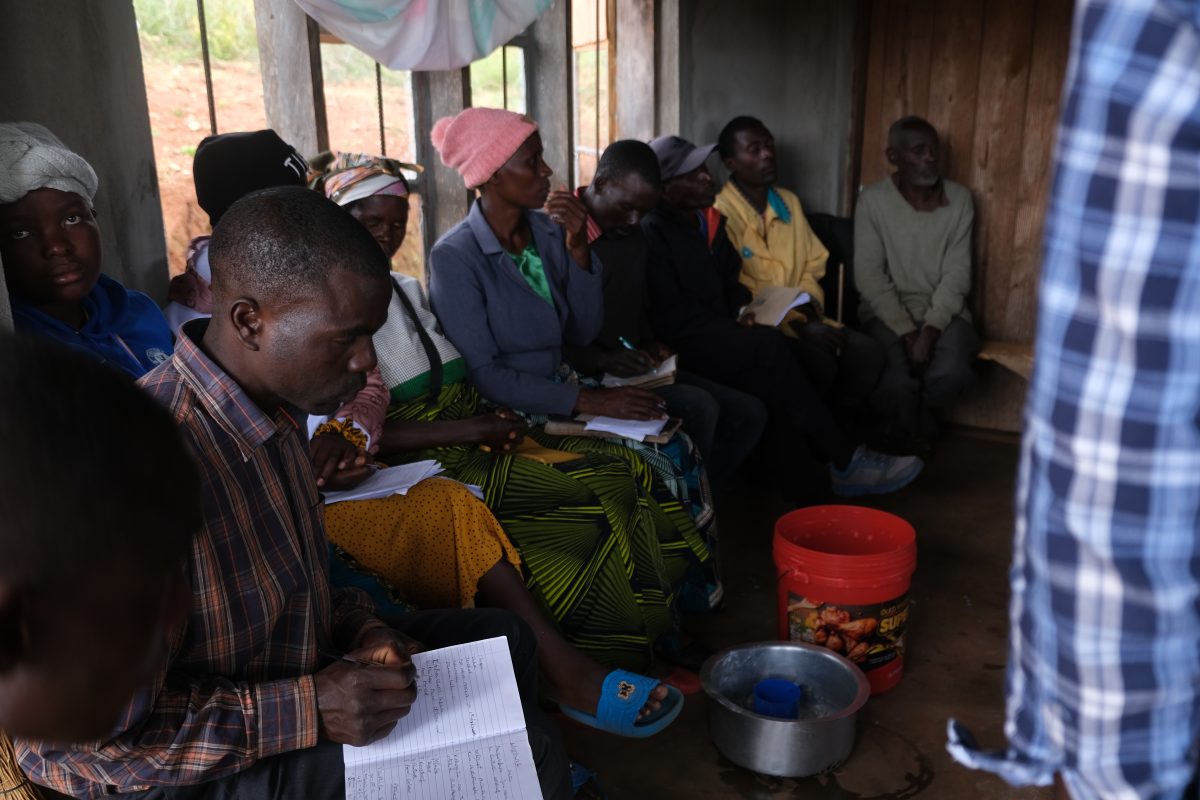
After a short break, we travelled to one of the projects we were most excited about: the yoghurt training. This initiative, developed by DZG-Student, teaches farmers how to produce yoghurt from their milk. It was impressive to see how farmers used simple ingredients and innovative methods to create their own yoghurt. During the process, everything was explained to us, and we even got to taste fresh sugarcane — a delicious experience.
Castration and sterilisation project
One of the key projects we had fundraised for was the castration and sterilisation campaign. Together with local veterinarian Dr Gift, we treated dogs and cats waiting outside the clinic. The clinic itself was simple but effective: a wooden table served as the operating table, and bricks were used to position the animals correctly. The teamwork was remarkable — whenever help was needed, someone would call out “stokbrood!” and everyone available would immediately assist. Although the plan was to work for three days, the final day could not take place due to financial disagreements. Still, we managed to help 69 animals and vaccinate many more.
Meat market project
Our final visit was to a meat processing project. We first met the local village chief, who personally thanked us for supporting the project. We then visited the slaughterhouse, where animals can now be processed in a much more hygienic way. This is crucial for food safety and public health. The new facility prevents carcasses from touching the ground and ensures proper drainage of waste. We also saw the new sales point, centrally located in the village, which will soon include refrigeration and a space for community gatherings. Compared to the old setup — where meat was exposed to the sun and flies — this is a major improvement.
After finishing our visits, Gilbert asked: “Do you want to see elephants?” Of course we did. What followed was an impromptu safari — an unforgettable experience. I
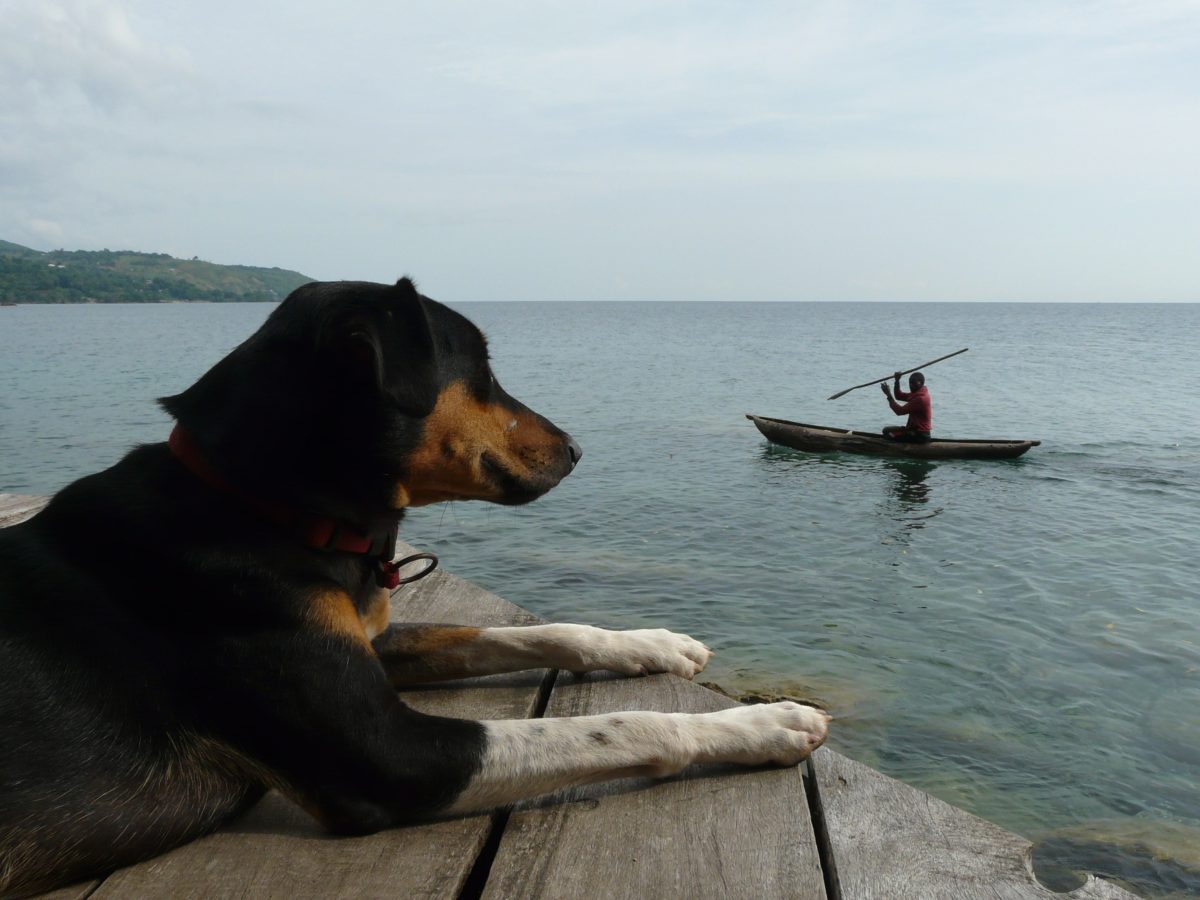
In beautiful Nkhata Bay, we held a final evaluation with Gilbert and Marco. Over lunch by Lake Malawi, we discussed how future student projects could be improved. It was a valuable and meaningful conclusion to two incredible weeks. After saying goodbye (and handing over some stroopwafels), we continued our journey to Livingstonia, marking the end of our project work and the beginning of further travels through Malawi.