With this project, we are taking an important step forward in animal healthcare in Malawi. We are training 30 new Community Animal Health Workers (CAHWs) and improving access to markets, veterinary care, nutrition, and animal welfare. In this way, we support 1,700 farming households on their path towards a more sustainable and stable livelihood.
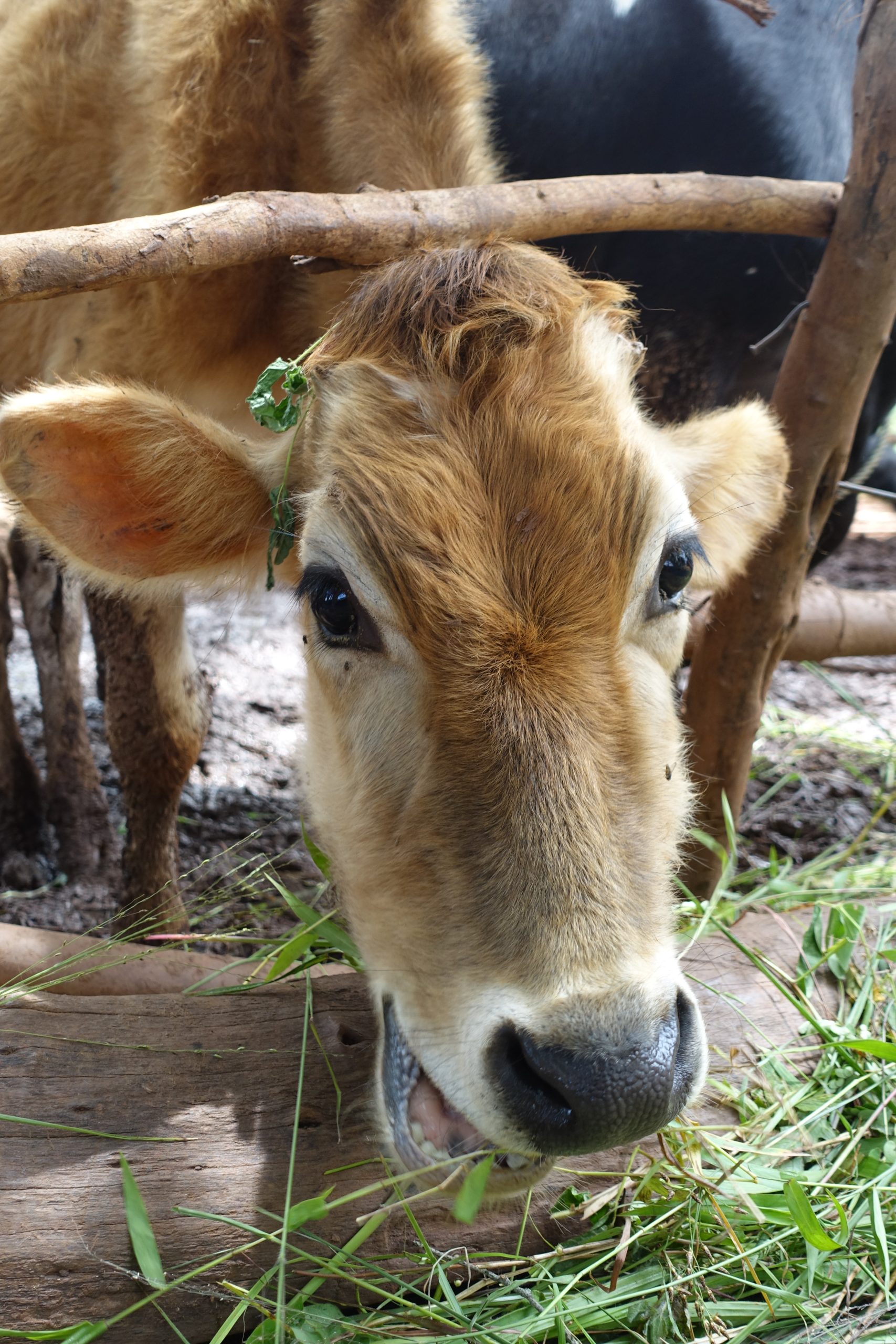
More than 80% of the population in Malawi depends on agriculture for their livelihoods. However, it is becoming increasingly difficult for many farmers to make ends meet. Climate change, limited access to resources, and low agricultural productivity create major challenges. In the districts of Mzimba, Nkhata Bay, and Rumphi in particular, many families face food shortages, livestock diseases, and a lack of veterinary care. This is while their livestock — such as chickens, goats, and cattle — are vital. These animals are an essential source of food, income, and resilience for farming households. To protect and strengthen this vital resource, the LIFT project was established.
Within this project, we train 30 new animal health workers from within the communities themselves. These local champions are called Community Animal Health Workers (CAHWs). They are carefully selected and follow an intensive training programme that meets the international guidelines of the World Organisation for Animal Health (WOAH). During the training, they learn everything about animal health, vaccinations, care, and sustainable livestock farming. Community Animal Health Workers (CAHWs) genoemd. Ze worden zorgvuldig geselecteerd en volgen een intensieve training die voldoet aan de internationale richtlijnen van de Wereldorganisatie voor Diergezondheid (WOAH). In de opleiding leren zij alles over diergezondheid, vaccinaties, verzorging en duurzame veehouderij.
But it does not stop there: they also receive training in entrepreneurial skills. This enables them to offer their services professionally and at a fair price to farmers in their area. In this way, they strengthen not only animal health, but also their own economic position and that of their community.
CAHWs play a crucial role in so-called “last mile” animal healthcare. Because they live locally, they are easily accessible and understand the challenges within their community. This makes them a reliable and essential link in improving animal health and, as a result, the livelihoods of thousands of farming households.
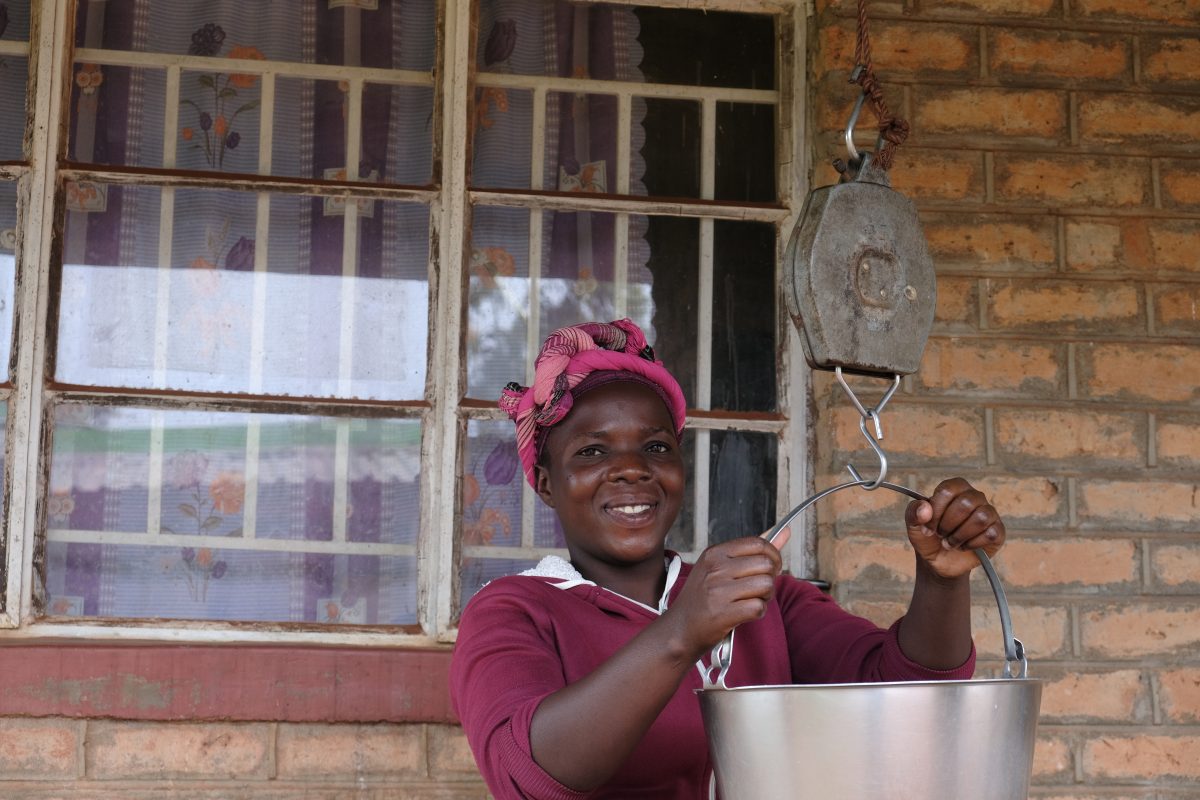
In Malawi, women are responsible for more than 75% of small-scale livestock farming. That is why they are central to LIFT. We ensure that women actively participate in training, take part in decision-making, and gain access to market opportunities. Their role in livestock farming is both recognised and strengthened. Women who become CAHWs also have the opportunity to develop into local experts and entrepreneurs — resulting in additional income for themselves and their families. At the same time, they contribute to improved animal welfare in their communities by identifying diseases at an early stage and sharing their knowledge with other farmers.
With LIFT, we invest in resilience, entrepreneurship, and local strength. For farmers, by farmers.
The LIFT project is implemented by Veterinarians Without Borders Netherlands in collaboration with CCEI (Centre for Community Empowerment Initiatives) and is made possible in part by Wilde Ganzen and The Vallbo Foundation.
Wilde Ganzen and The Vallbo Foundation. Wilde Ganzen believes in structural solutions and supports projects that are locally driven and implemented. Their contribution not only provides financial support, but also strengthens the project through knowledge, guidance, and sustainable partnerships.
The Vallbo Foundation supports this project as part of its mission to promote social, educational, and veterinary initiatives. Through their contribution to LIFT, they strengthen the training of new animal health workers and the vitality of livestock communities in Malawi.
To carry out our projects, we can really use your help. Donate an amount of your choice via the button below and spread the word. Questions? Feel free to send a message to coördinator@dierenartsenzondergrenzen.nl.
Wij gebruiken cookies en andere technologieën om je een zo goed mogelijke ervaring op onze website te bieden. Hiermee kunnen we bijvoorbeeld je voorkeuren onthouden en statistieken bijhouden om onze site te verbeteren. Wil je geen cookies? Dan kan het zijn dat sommige functies niet optimaal werken