Projects

Our core activities:

  • We train motivated livestock holders to become CAHWs (Community Animal Health Workers)

  • Community animal health workers train livestock keepers in housing, nutrition, and animal health, and treat sick animals.

  • Improved animal health increases productivity per animal and ensures more efficient use of available feed.

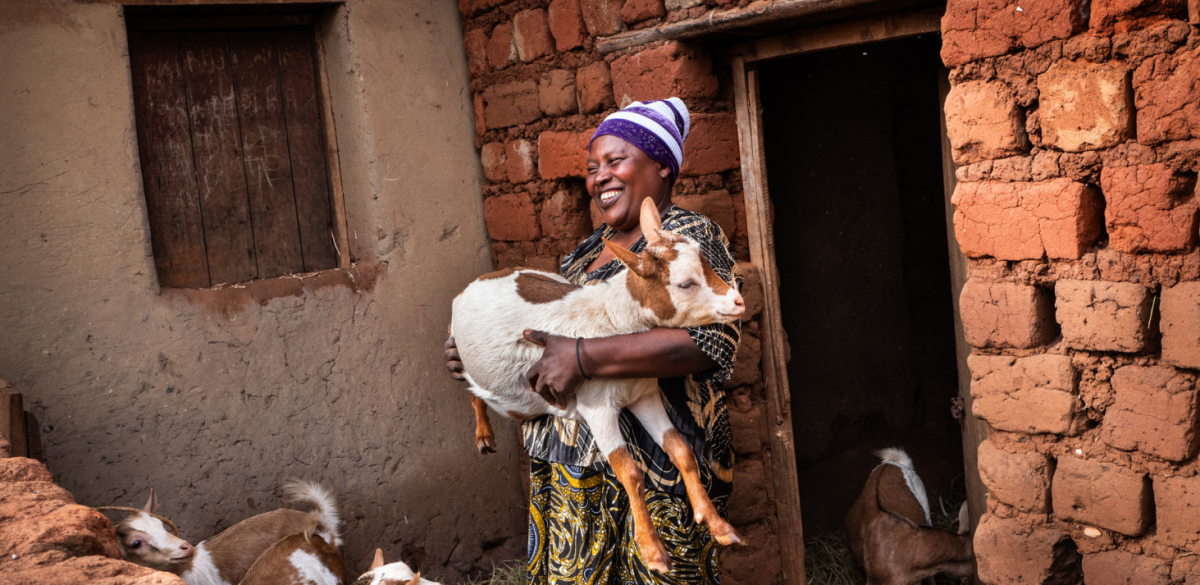
  • We actively work to strengthen the position of women by involving them in our projects.

  • We organise large-scale rabies vaccination campaigns.

  • We educate children and adults about the dangers of rabies and how to interact safely with animals, especially dogs and cats.

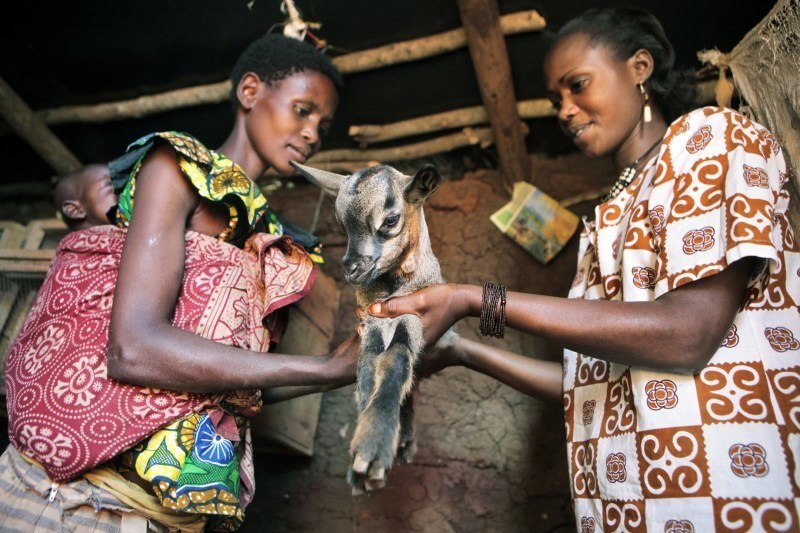
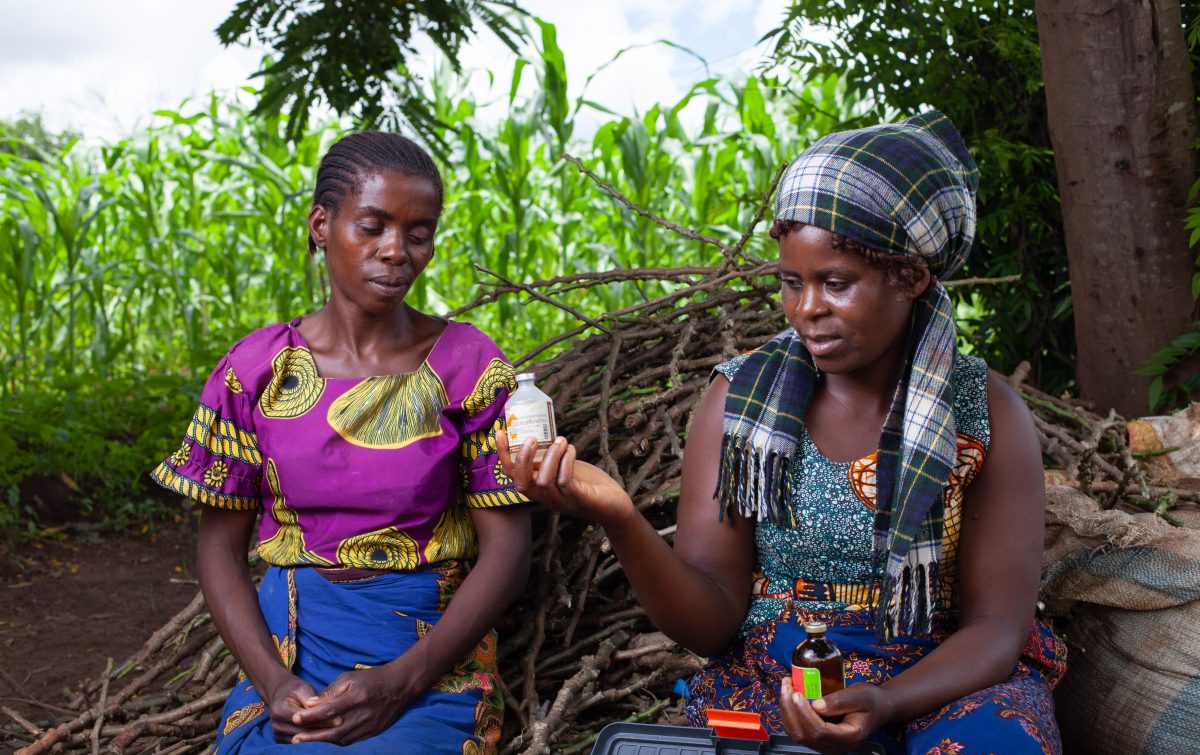
Vrouwen onderzoeken een geit in Malawi, voor het goede doel

Rabies

Action towards the elimination of rabies

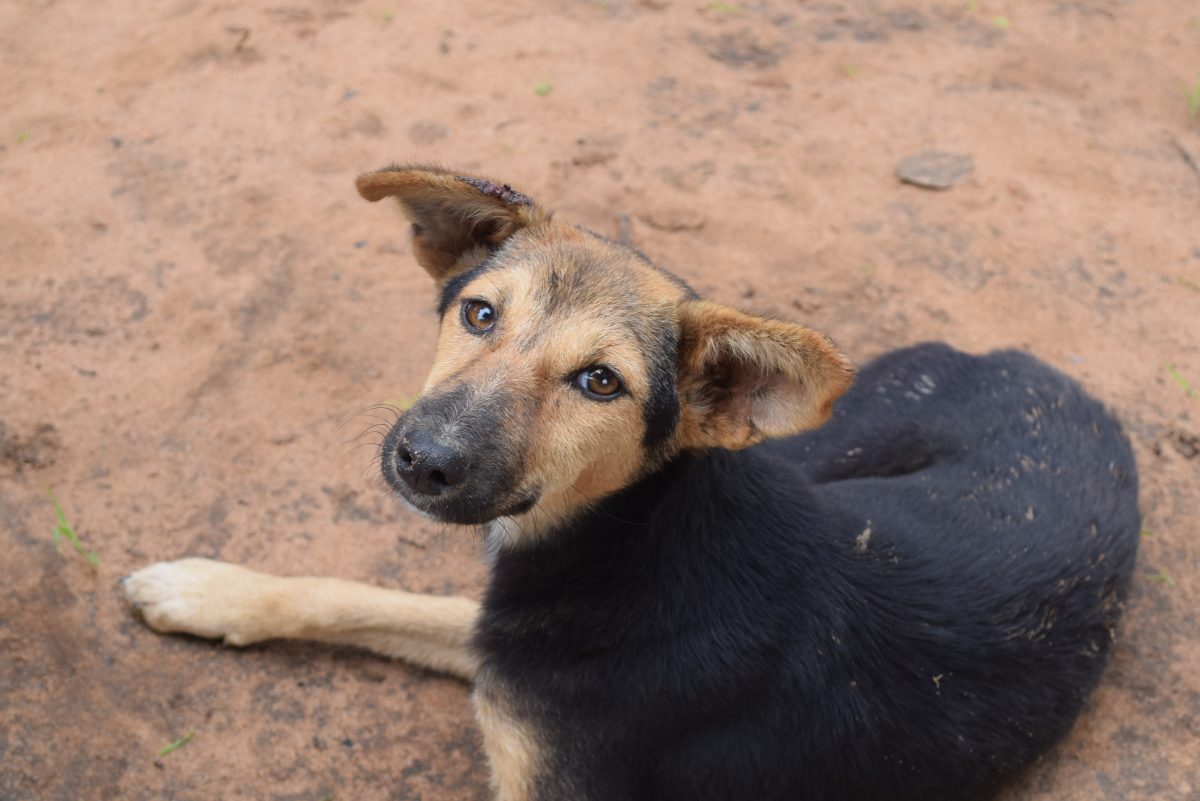
Rabies is a life-threatening virus for both animals and humans. To combat this disease, we vaccinate dogs against rabies and organise awareness campaigns. Our goal is to reach the required 70% vaccination coverage to stop the transmission of rabies.

Family-based livestock farming

Livestock Innovations for Thriving Communities

With this project, we are taking an important step forward in animal health care in Malawi. We are training 30 new community animal health workers (CAHWs) and improving access to veterinary care, nutrition, and animal welfare services. In this way, we support 1,700 farming households on their path towards a more sustainable and stable livelihood.

Generating Agricultural Income and Nutrition

We support 1,500 farming households in Malawi by investing in animal health care, dairy processing, and improved access to markets. In doing so, we strengthen their self-reliance and contribute to long-term improvements in living conditions.

Herds for Empowerment

The project “Herds for Empowerment: Women Leading Livestock Sustainability” aims to ensure that more families in Malawi can meet the daily intake of milk and meat recommended by the WHO. Women play a key role in this process.

Livestock for Empowerment

The goal of this project was to help people in northern Malawi improve livestock productivity and strengthen the position of women, young people, and their families. In total, 19,875 farmers benefited from this project.